Tracing the Ripple Effects of Cross-Border Compliance Shifts on Incentive Distribution Patterns Within Smartphone-Accessed Gaming Platforms
Hugo Müller · Oct 17, 2026
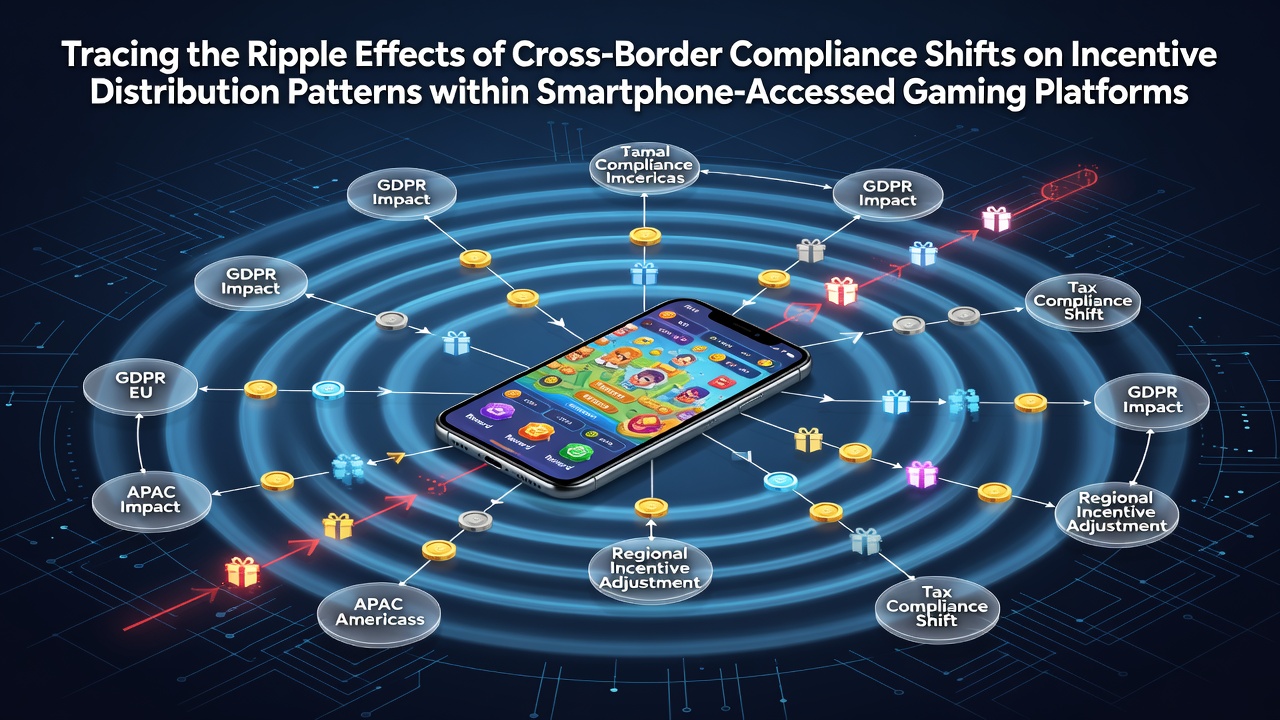
Tracing the Ripple Effects of Cross-Border Compliance Shifts on Incentive Distribution Patterns Within Smartphone-Accessed Gaming Platforms
Cross-border compliance shifts continue to reshape how gaming operators distribute incentives across smartphone platforms, and the effects extend far beyond simple regulatory checkboxes. Platforms must now navigate overlapping rules on data handling, bonus structures, and payment verification that differ sharply between jurisdictions, which forces adjustments in promotional mechanics delivered through mobile apps. Those adjustments create ripple effects that alter availability, timing, and targeting of free spins, deposit matches, and loyalty rewards for users in multiple regions simultaneously.
Regulatory Overlaps and Their Direct Impact on Mobile Incentives
Operators serving users across the European Union, North America, and parts of Asia-Pacific face distinct requirements for know-your-customer checks and anti-money laundering protocols that directly influence when and how bonuses appear on handheld devices. A change in one market, such as updated transaction monitoring thresholds introduced in several EU member states during mid-2026, often prompts platforms to standardize verification flows globally to reduce development overhead. This standardization can delay or restrict incentive releases for users in jurisdictions where local rules had previously allowed faster onboarding.
Data from industry monitoring shows that smartphone users in regions with lighter restrictions sometimes experience reduced promotional variety after operators implement uniform compliance layers designed for stricter markets. The process involves recalibrating backend systems that determine bonus eligibility based on geolocation, device identifiers, and account history, which creates downstream changes in distribution patterns visible within weeks of any major regulatory update.
Payment Method Restrictions and Regional Incentive Adjustments
Shifts in cross-border payment regulations further complicate incentive delivery on mobile platforms. When authorities in one country modify rules around digital wallet usage or cryptocurrency transactions, operators frequently revise bonus funding sources across their entire user base to maintain consistent compliance postures. October 2026 saw several platforms roll out updated terms that limited certain e-wallet promotions for users accessing services from multiple territories, even though the restrictions originated from policy changes in only one primary market.
Researchers tracking these patterns note that such adjustments often result in segmented incentive catalogs where users in one location receive different reward structures than peers in another, despite using identical apps. The segmentation relies on IP detection, SIM data, and account registration details to enforce compliance without violating local statutes, yet it produces noticeable differences in the types of free spins or cashback offers that appear on individual devices.
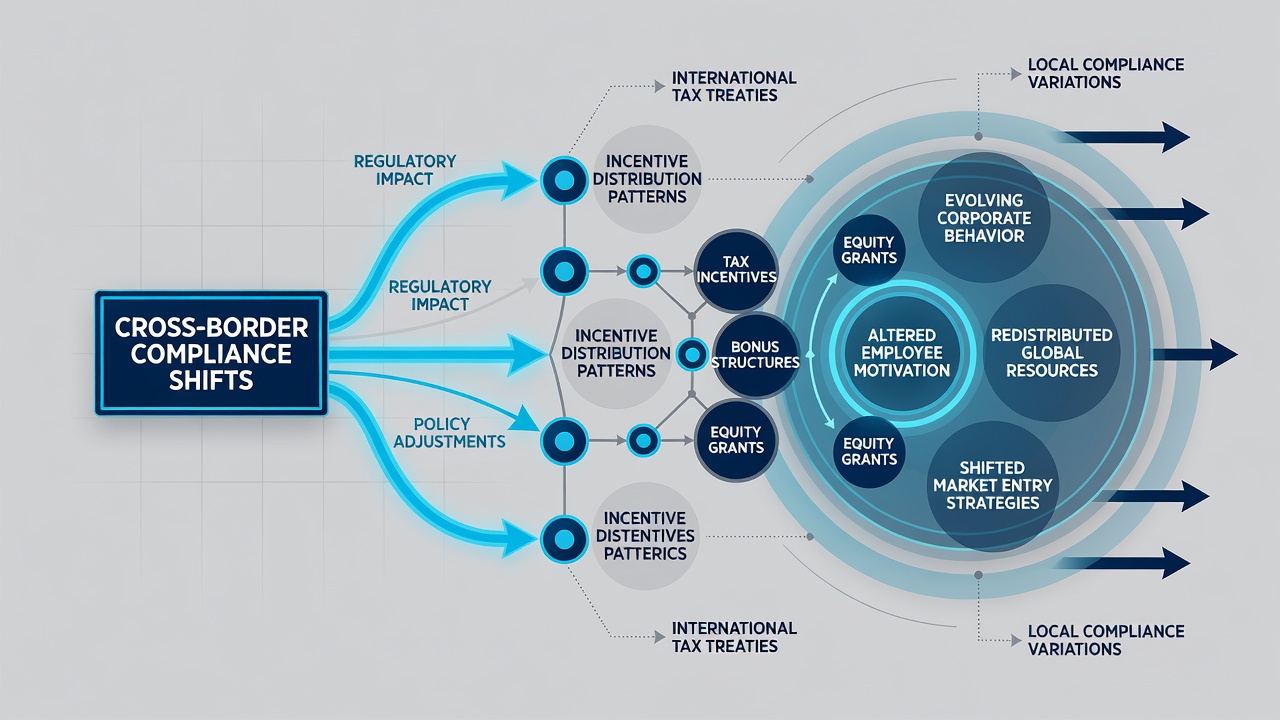
Data Privacy Rules and Targeted Promotion Mechanics
Privacy regulations that span multiple borders add another layer of complexity to incentive distribution. Requirements for explicit consent before processing behavioral data for personalized offers have prompted operators to redesign how they generate and push mobile notifications about available bonuses. Platforms that once relied on broad user profiles now limit certain promotional triggers to users who have granted specific permissions, which reduces the reach of some loyalty tier rewards and welcome packages.
According to findings published by the Malta Gaming Authority, these consent-based limitations have led to measurable shifts in engagement metrics across smartphone user segments since the beginning of 2026. Operators respond by creating tiered incentive systems that operate independently of personalized data, relying instead on broader eligibility criteria such as account age or total deposit volume to maintain promotional activity without breaching privacy rules in multiple jurisdictions at once.
Operational Responses and Platform-Wide Distribution Changes
Many operators address these compliance pressures by consolidating incentive engines into centralized systems that apply the strictest applicable rules across all markets. This approach simplifies maintenance for development teams but can flatten regional differences in reward availability, producing more uniform distribution patterns on mobile devices regardless of user location. Observers note that such consolidation has accelerated since late 2025, coinciding with synchronized regulatory updates in several key gaming markets.
Case examples from major platforms reveal that adjustments implemented to satisfy requirements in one region frequently trigger corresponding modifications elsewhere to avoid legal exposure. For instance, when transaction reporting rules tightened in one jurisdiction, operators extended similar documentation requirements to users in other territories to maintain consistent app functionality and avoid fragmented codebases.
Conclusion
Cross-border compliance shifts continue to drive structural changes in how incentives reach smartphone users on gaming platforms. These changes manifest through standardized verification processes, segmented promotional catalogs, and centralized distribution engines that prioritize regulatory alignment over localized customization. Data collected through October 2026 indicates that the effects remain ongoing, with operators continuing to refine systems in response to evolving rules across multiple regions. The resulting patterns reflect a balance between legal obligations and operational efficiency rather than isolated market strategies.